Unraveling the Iran-Pakistan Conflict: Lessons in Geopolitics
"Explore the intricacies of the Iran-Pakistan conflict in our latest blog post, uncovering historical alliances, geopolitical shifts, and lessons learned. Delve into the complexities of Baluchistan, militant dynamics, and the global repercussions, offering valuable insights into navigating geopolitical challenges. Discover why independent relations matter and the high costs of prioritizing war over peaceful solutions. Join us on a journey through the layers of this conflict and gain a deeper understanding of the lessons it imparts to the world."
Iran-Pakistan Conflict
Introduction: Iran-Pakistan Conflict
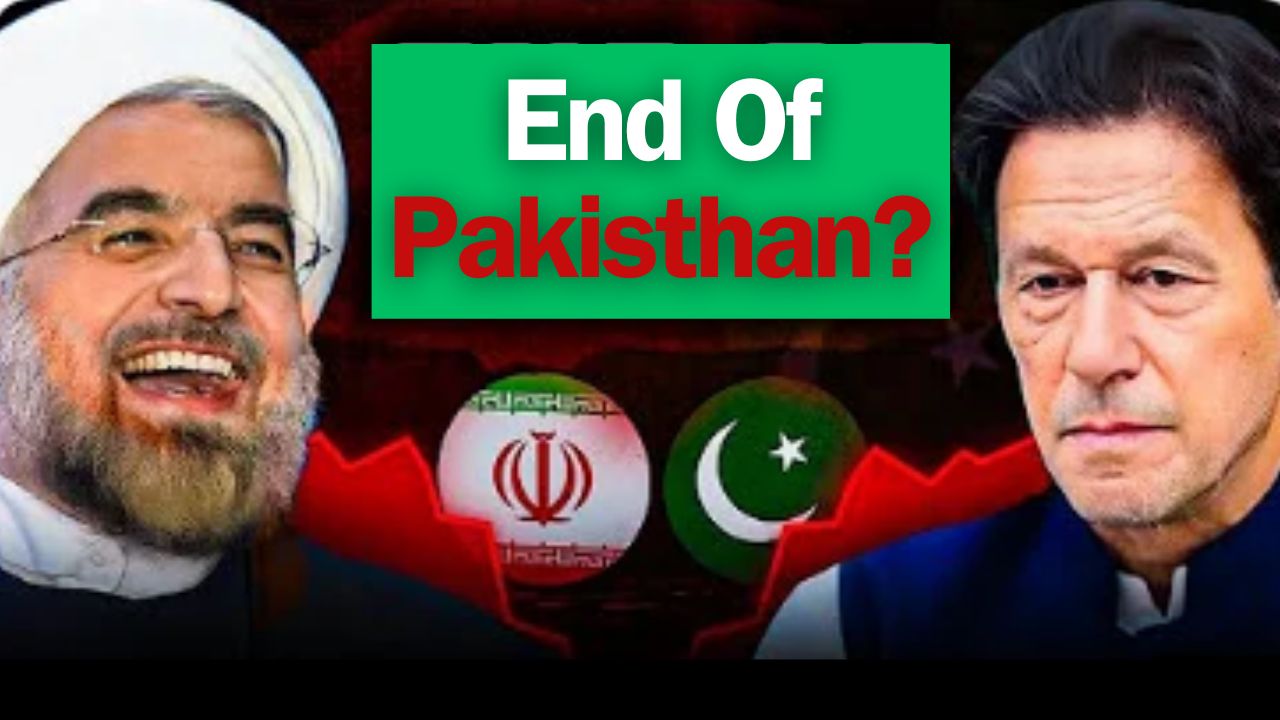
The year 2024 witnessed a surprising turn of events as Iran and Pakistan, once close allies, found themselves entangled in a conflict. The root causes, however, extend beyond the recent missile strikes. In this blog post, we delve into the complex history, geopolitical dynamics, and the lessons to be learned from this unexpected discord.
Historical Background: Iran-Pakistan Conflict
The camaraderie between Iran and Pakistan dates back to the post-Independence era when they stood together against common adversaries. The geopolitical landscape changed dramatically with the Islamic Revolution in Iran in 1979, leading to a shift in alliances.
Cold War Proxies: Iran-Pakistan Conflict
During the Cold War, both nations found themselves on opposing sides due to their affiliations with different superpowers. The Afghan conflict in the 1980s further strained relations as the repercussions of the Soviet-Afghan War spilled over into the region.
Taliban, Militancy, and Shared Accusations: Iran-Pakistan Conflict
The rise of militant groups, collaboration, and accusations between Iran and Pakistan escalated tensions. Baluchistan, rich in resources, became a hotspot as militant groups sought refuge across borders. Accusations of supporting terrorism created a vicious cycle of suspicion and hostility.
Baluchistan: The Epicenter of Conflict: Iran-Pakistan Conflict
The Baluchistan region, with its wealth of natural resources, became both a blessing and a curse. The Baluch people, feeling marginalized, questioned the exploitation of their resources without development. Protests and armed conflicts ensued, contributing to the deteriorating relations between the two nations.
Trigger: Jes Al Adal Attack: Iran-Pakistan Conflict
The recent conflict was triggered by the Jes Al Adal attack in December 2023, where Iranian police officers were killed. This event prompted Iran to launch airstrikes into Pakistan, claiming to target terrorist camps.
Escalation and De-escalation: Iran-Pakistan Conflict
Missile strikes and counterattacks ensued, raising concerns globally. While the conflict has been de-escalated for now, the underlying issues persist. The mistrust, accusations, and geopolitical alignments continue to cast a shadow over the region.
Geopolitical Lessons: Iran-Pakistan Conflict
1. Independent Relations:
Nations must prioritize individual relationships over aligning with global powers. The problems of one country should not become another's burden.
2. Militant Funding Consequences:
Supporting militant groups can lead to unintended consequences. Both Iran and Pakistan experienced blowback from groups they once supported.
3. War is Costly:
The price of war, both in terms of human lives and economic resources, is immense. Prioritizing peaceful solutions over conflicts should be a global imperative.
Conclusion: Iran-Pakistan Conflict
The Iran-Pakistan conflict serves as a stark reminder of the complex nature of geopolitics and the consequences of aligning with global powers. As the world watches, it is crucial to learn from these lessons and strive for peaceful resolutions in the face of adversity.
Written By: Muktar