**Films: A Concise History**
**Films: A Concise History**
This article gives a short outline of the historical backdrop of motion pictures, from their initial starting points to the current day. It examines the major innovative and creative improvements that have molded the entertainment world, and it features the absolute most significant motion pictures and movie producers from every time.
The article additionally investigates a portion of the critical patterns in motion pictures today, for example, the ascent of web-based features, the prominence of superhuman motion pictures, and the rising variety of producers. It closes by planning ahead and examining the capability of new advances to shape the fate of films.
I trust this short depiction is useful!
**Films: A Concise History**
This article gives a short outline of the historical backdrop of motion pictures, from their initial starting points to the current day. It examines the major innovative and creative improvements that have molded the entertainment world, and it features the absolute most significant motion pictures and movie producers from every time.
The article additionally investigates a portion of the critical patterns in motion pictures today, for example, the ascent of web-based features, the prominence of superhuman motion pictures, and the rising variety of producers. It closes by planning ahead and examining the capability of new advances to shape the fate of films.
I trust this short depiction is useful!
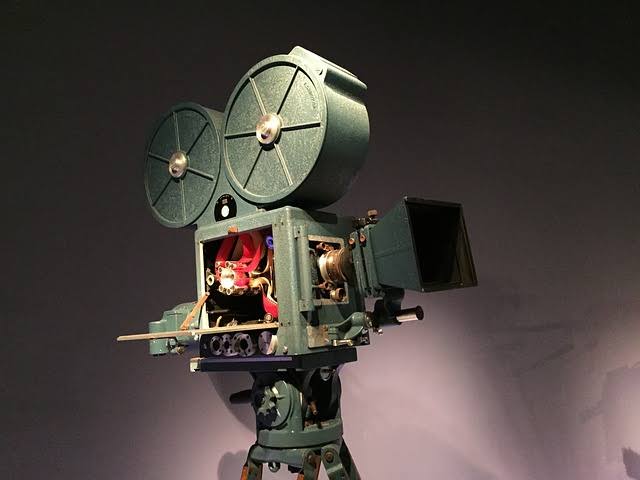
The historical backdrop of films is a long and rich one, tracing all the way back to the mid twentieth 100 years. The principal films were quiet and highly contrasting, however they immediately advanced into the brilliant, sound-filled blockbusters that we appreciate today.
One of the earliest films made was “The Pony Moving,” which was made by Eadweard Muybridge in 1878. This short film showed a pony running in sluggish movement, and it was a significant leap forward in the improvement of films.
In 1895, the Lumière siblings in France showed the primary public screening of a film. Their film, “The Appearance of a Train at La Ciotat Station,” showed a train maneuvering into a station, and it created an uproar among the crowd.
The early long stretches of films were set apart by trial and error and development. Producers were attempting to sort out some way to best utilize this new medium to recount stories and engage crowds. Probably the main early movie producers incorporate Georges Méliès, D.W. Griffith, and Charlie Chaplin.
During the 1920s, films grew up. The presentation of sound and variety made films more practical and vivid, and they turned into a significant type of diversion. The absolute most well known films of this time incorporate “The Wizard of Oz,” “Gone with the Breeze,” and “Casablanca.”
The 1950s and 1960s saw the ascent of the auteur movie producer. These chiefs, like Alfred Hitchcock, Akira Kurosawa, and Stanley Kubrick, had serious areas of strength for a dream and utilized films to communicate their own exceptional imaginative voice.
During the 1970s, films turned out to be more exploratory and testing. Producers like Martin Scorsese, Francis Portage Coppola, and Steven Spielberg pushed the limits of the medium and made probably the most famous movies ever.
The 1980s and 1990s saw the ascent of the blockbuster. These huge financial plan films, for example, “Star Wars,” “Jurassic Park,” and “Titanic,” were intended to speak to a wide crowd and were much of the time in view of well known establishments.
The 2000s and 2010s have seen the proceeded with advancement of films. New innovations, like CGI and 3D, have opened up additional opportunities for movie producers. What’s more, the ascent of web-based features has made it simpler than at any other time for individuals to watch motion pictures.
Today, motion pictures are more well known than any other time. They are a significant type of diversion and a strong method for recounting stories. What’s more, the eventual fate of films looks splendid, with new advances and better approaches for narrating continually arising.
**Here are the absolute most significant patterns in films today:**
* The ascent of web-based features: Web-based features like Netflix, Hulu, and Amazon Prime Video have made it simpler than at any other time for individuals to watch films. This has prompted a blast in the quantity of motion pictures being delivered, as studios are currently ready to contact a more extensive crowd with their movies.
* The prevalence of superhuman motion pictures: Hero motion pictures have been a significant pattern lately, with films like “The Justice fighters” and “Dark Puma” breaking film industry records. This pattern is probably going to go on in the years to come, as crowds keep on partaking in these thrilling and outwardly dazzling movies.
* The rising variety of movie producers: The entertainment world is turning out to be more assorted, with additional ladies and ethnic minorities working behind the camera. This is prompting a more extensive scope of stories being told on screen, and it is assisting with making films more intelligent of the world we live in.
* The proceeded with advancement of innovation: New advancements, like CGI and computer generated reality, are continually being utilized in films. This is prompting more reasonable and vivid movies, and it is opening up additional opportunities for producers.
The eventual fate of films looks brilliant. With new advances and better approaches for narrating continually arising, the opportunities for motion pictures are interminable.